

Your cart
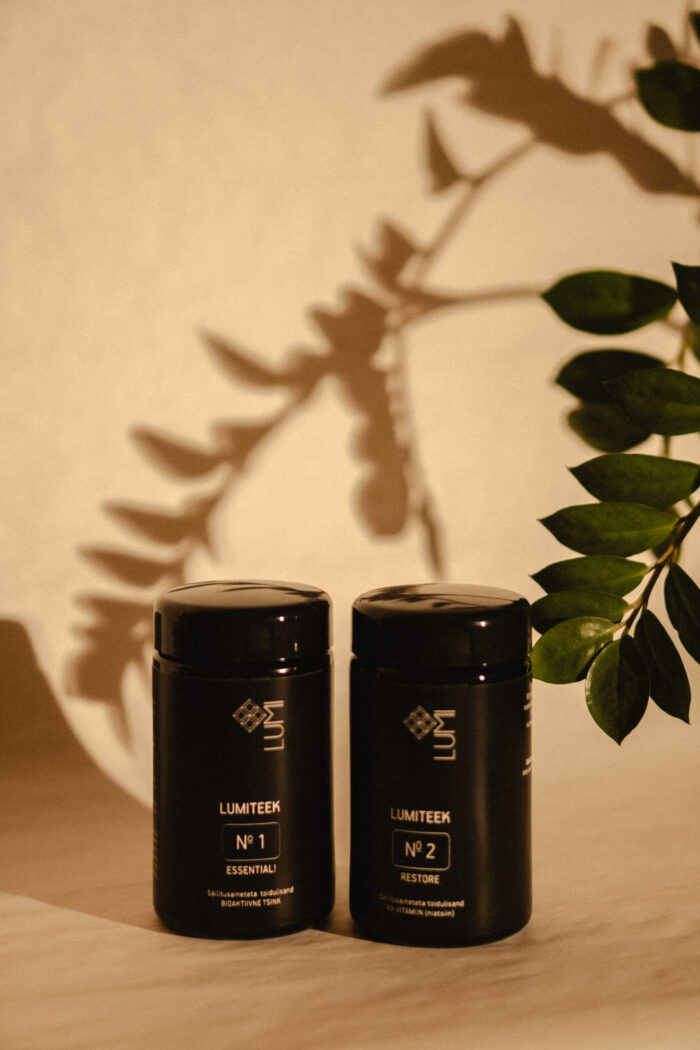
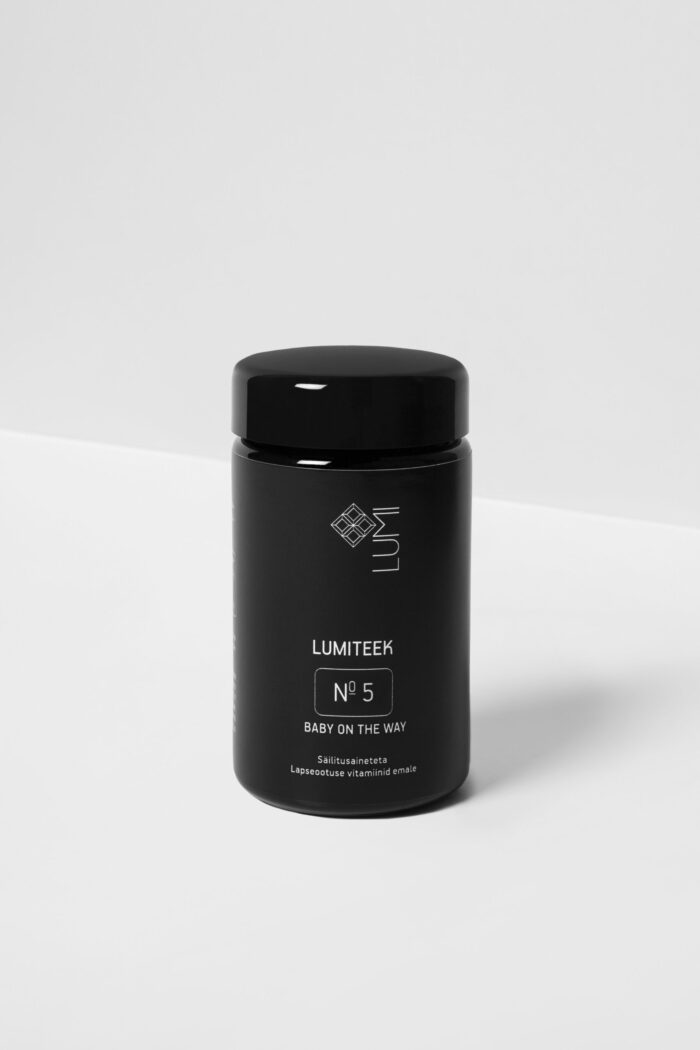
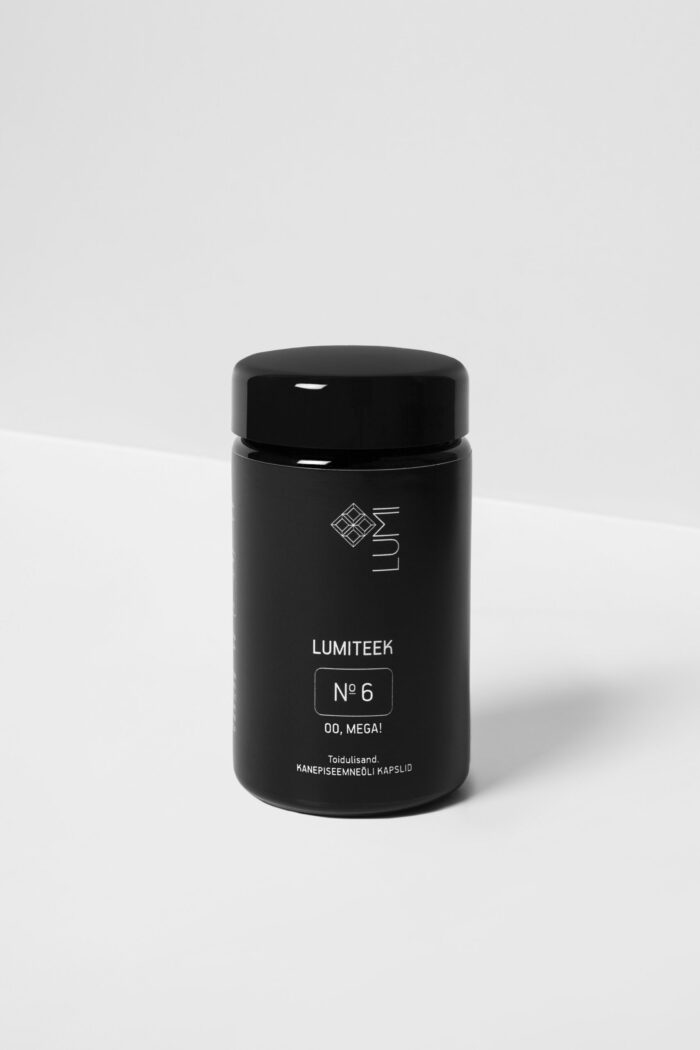
Our first supplement set, suitable for everyone, but especially beneficial for those with inflammatory, acne-prone, aging, dry, or irritated skin.


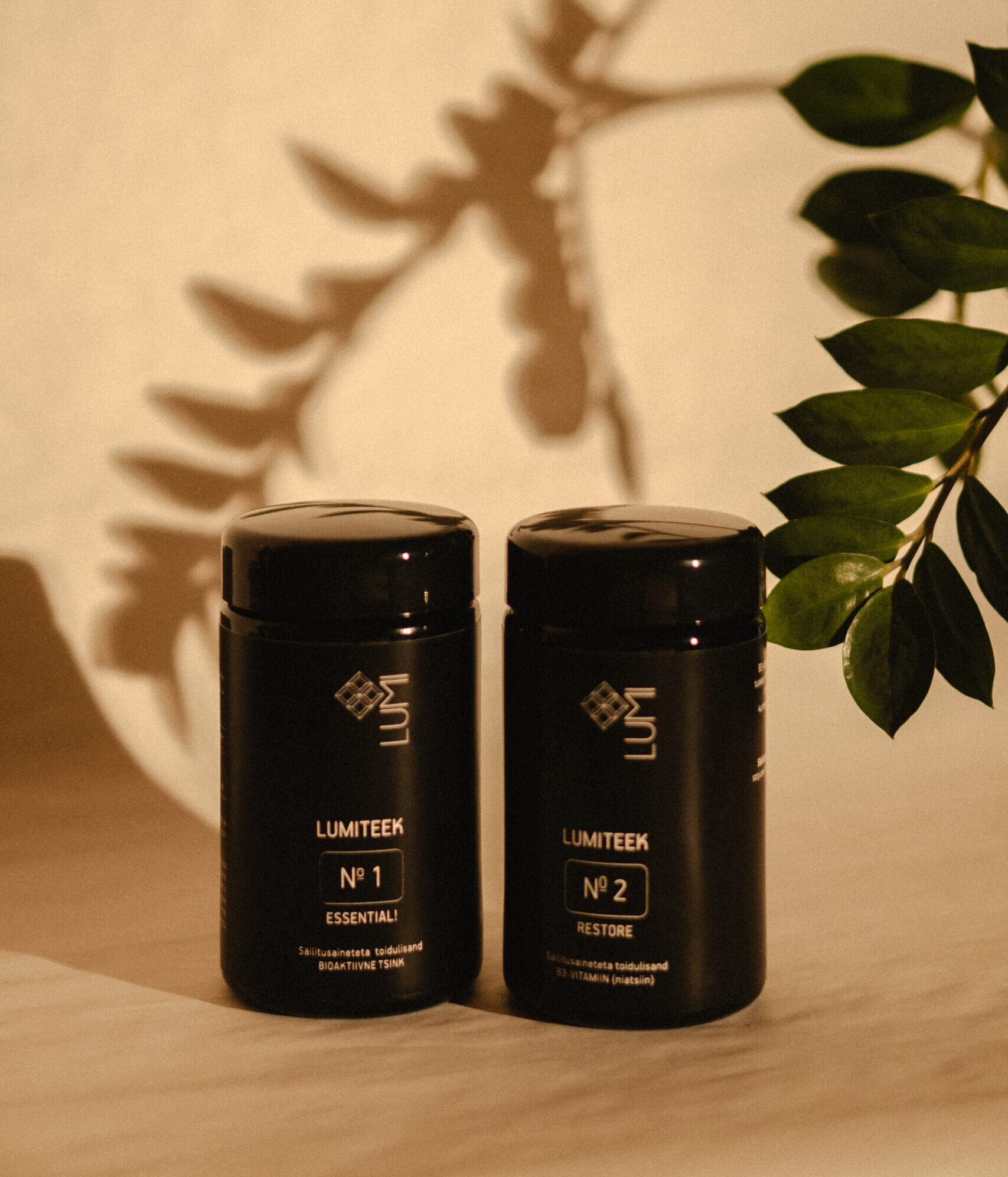
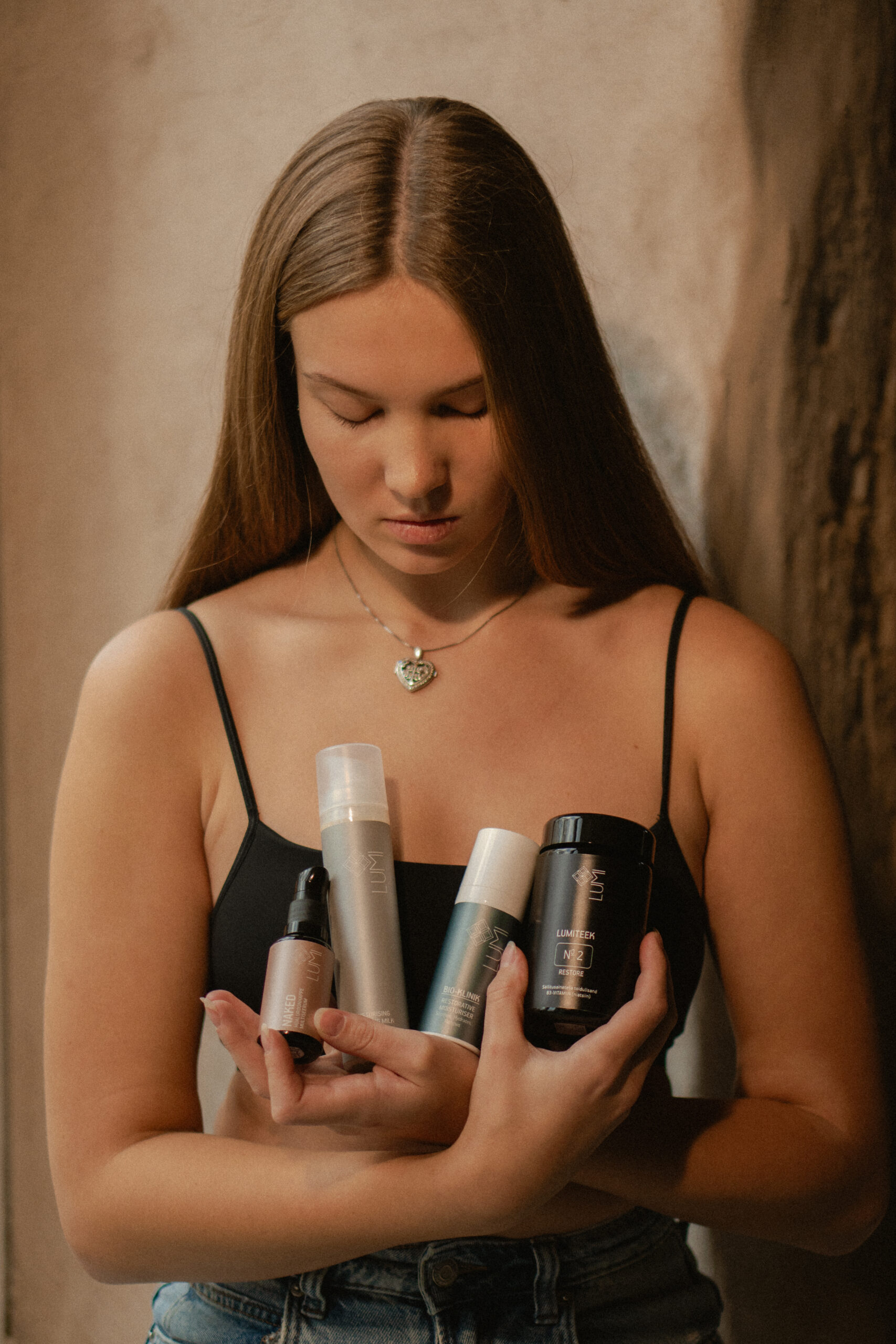
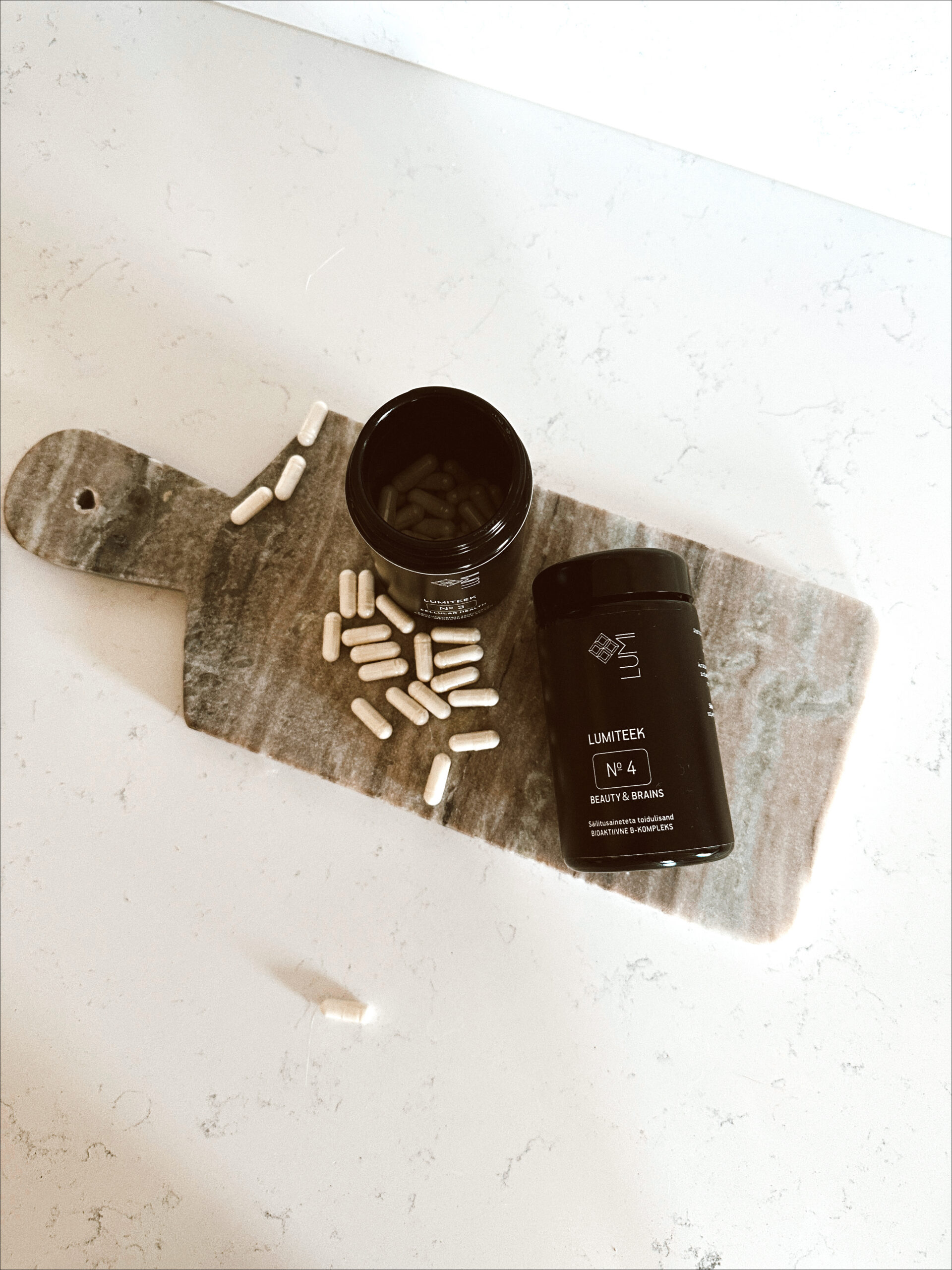
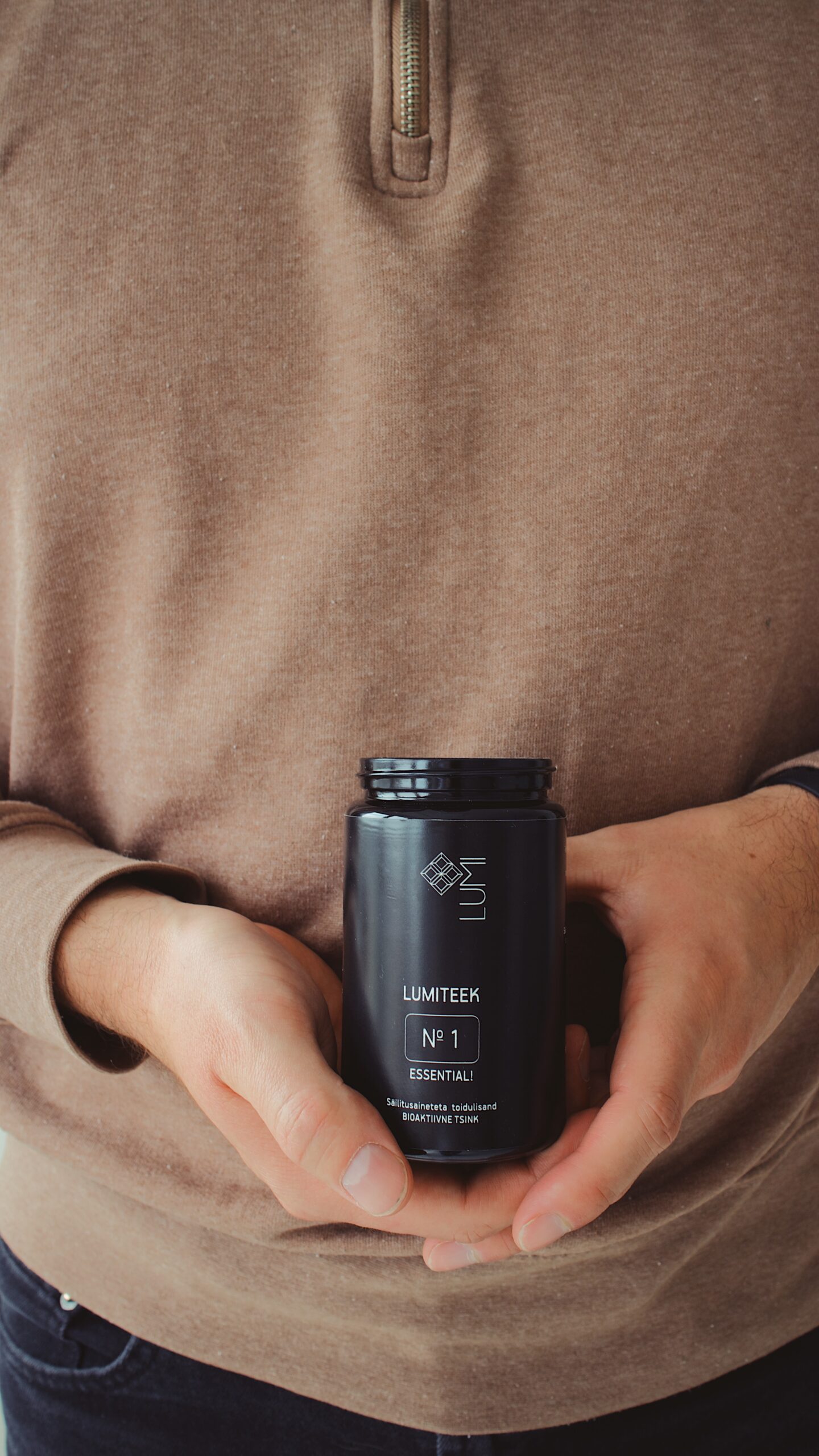
SUPPLEMENT KIT FOR BEAUTIFUL SKIN │ 90 + 90 HERBAL CAPSULES │ VEGAN
Original price was: 32,00 €.29,76 €Current price is: 29,76 €.
4 in stock
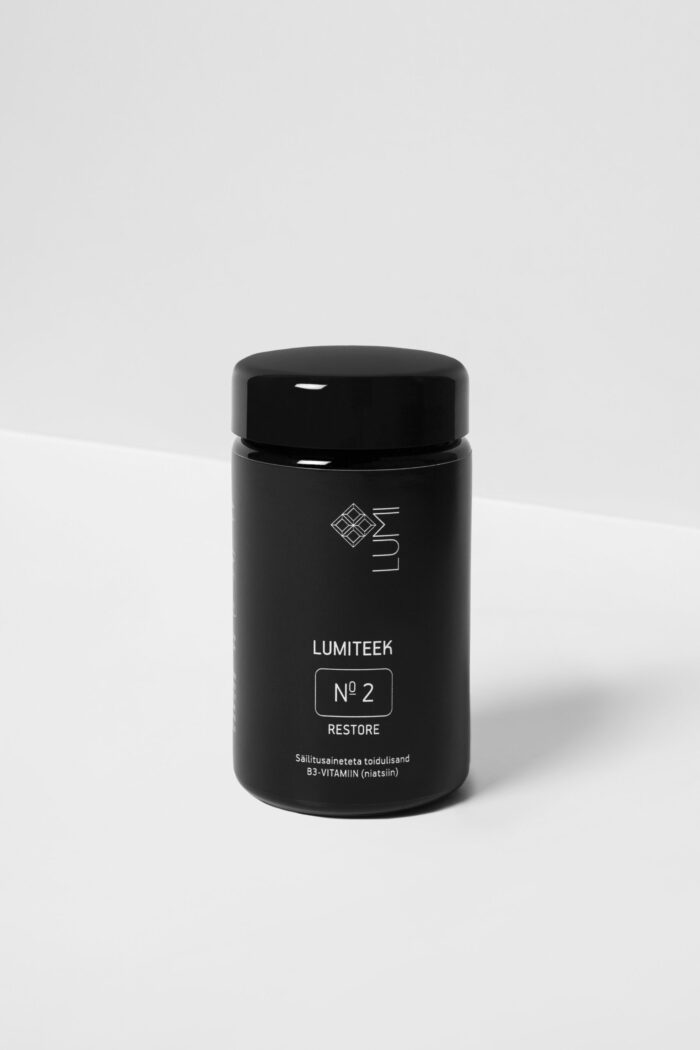
+ Take 1–2 capsules of Vitamin B3 daily with a balanced meal.
+ Take 1 capsule of Zinc daily with a glass of room-temperature water 15–30 minutes after a meal, in courses of 3–6 months as needed.
+ Do not use food supplements as a substitute for a varied diet. A balanced diet and healthy lifestyle are important.
+ Keep out of reach of children.
+ Do not exceed the recommended daily dose.
+ Taking higher amounts of Vitamin B3 is recommended only for short periods. If taking more than 500 mg, consult a doctor or pharmacist.
+ To support joint health, take 2 Vitamin B3 tablets daily as a short-term course.
+ For difficulty falling asleep or sleep disturbances, a short-term intake of 2 Vitamin B3 tablets about one hour before bedtime may be helpful.
| DAILY DOSE CONTAINS | Amount | % NRV* |
|---|---|---|
| Vitamin B3 (Niacin) | 250–500 mg NE (1–2 capsules) | 1563–3125 % |
| Zinc | 25 mg (1 capsule) | 250 % |
* % NRV – percentage of the Nutrient Reference Value for adults.
NE (Niacin Equivalent) = 1 mg niacin = 60 mg tryptophan.
STORAGE: Keep the product closed at room temperature up to 25°C and protect it from direct sunlight.
Our first set of nutritional supplements that are ideal for individuals with various skin concerns such as acne-prone, aging, dry, inflamed, and irritated skin. However, these supplements are also suitable for everyone who wants to maintain a healthy skin regime.
Vitamin B3, also known as niacin, plays a crucial role in maintaining healthy skin. This vitamin acts as an antioxidant and boosts the synthesis of ceramides, which help strengthen the skin’s protective barrier. When the skin’s barrier is strong, it retains moisture better and protects itself from environmental factors. This makes it an essential vitamin for those dealing with eczema, dermatitis, dryness, and aging. Vitamin B3 can also lead to smoother skin texture and reduced redness. Additionally, it is believed to reduce sebaceous gland activity, which helps reduce skin shine. Apart from skin benefits, B3 also helps reduce fatigue and exhaustion and supports the normal functioning of the nervous system.
Zinc plays a crucial role in cell renewal, collagen formation, and wound healing, as well as providing antioxidant benefits. It helps to reduce the inflammatory response to bacteria and strengthens the immune system. Even a minor deficiency in zinc can result in rough skin and delayed wound healing. Additionally, zinc promotes healthier hair, stronger nails, and firmer skin. Women with excess hair growth can benefit from zinc supplements as well.
Research has explored the effectiveness of using zinc and vitamin B3, also known as nicotinamide, together in treating inflammatory skin conditions, including acne. These elements are found to have anti-inflammatory and bacteriostatic properties against Propionibacterium acnes, while also controlling excessive sebum production on the skin.
B3: nicotinamide (vitamin B3 or niacin), bulking agent rice flour, gelling agent pullulan (vegetable capsule).
ZINC: rice flour (bulking agent), zinc (zinc diglycinate), vegetable capsule (glazing agent pullulan).